
The Psychology of Bluffing
Bluffing in poker is not just a simple tactic; it involves a deep understanding of psychology. Players must gauge their opponents’ reactions and behaviors to determine the right moment to execute a bluff. Successful bluffing relies on careful observation and the ability to read subtle cues, such as facial expressions and body language. Many poker players enjoy strategies that resemble those used in a fast withdrawal online casino australia environment, where quick decisions can lead to big wins. For instance, if a player appears tense or restless, it might indicate uncertainty, presenting an opportunity for another player to make a bold bluff.
Moreover, effective bluffs often involve misdirection. A player may deliberately project confidence by making large bets or exhibiting aggressive behavior, leading opponents to believe they hold a strong hand. The psychological aspect is crucial in keeping opponents guessing and off-balance. This unpredictability can lead to mistakes on the part of others, creating a perfect environment for bluffing to flourish.
Furthermore, understanding your own psychological state is equally important in bluffing. Players who are overly anxious or insecure about their hand may inadvertently signal weakness, making their bluff less effective. Mastering the art of bluffing requires a balance of self-awareness and emotional control, as even the most skilled players can falter if their nerves get the better of them.
Recognizing the Right Moments to Bluff
Timing is everything in poker, and recognizing the right moments to bluff is key to mastering this art. A common situation to consider is when the board shows cards that indicate a potential strong hand, allowing players to represent a strong hand convincingly. For example, if the community cards are suited and have a high potential for a straight or flush, an aggressive bet might persuade opponents that a player has hit that hand, thus creating an opportunity for a successful bluff.
Another critical moment for bluffing arises when a player has established a table image. If a player has been playing conservatively and suddenly makes a large bet, opponents may take this as a sign of strength. A well-timed bluff can capitalize on this established image to push opponents out of the pot. Therefore, understanding one’s own table presence and how it’s perceived by others is essential for determining when to bluff.

Moreover, the dynamics of the game can affect the timing of a bluff. During late stages of a tournament, when players are often more cautious with their chips, an unexpected bluff might have a more significant impact. Players may be more inclined to fold in these crucial moments, providing a skilled bluffer with an advantageous edge. Therefore, observing these patterns and adapting accordingly can lead to more successful bluffing experiences.
Types of Bluffs and Their Effectiveness
There are several types of bluffs that players can utilize, each with varying degrees of effectiveness. A common type is the « pure bluff, » where a player has a weak hand and bets aggressively to force opponents to fold. This strategy is most effective when the player believes that their opponents have low confidence in their hands or when the community cards support the possibility of higher hands. The key here lies in the strength of the bet relative to the perceived weakness of the hand.
Another category of bluff is the « semi-bluff, » wherein a player has a drawing hand that has potential to improve. This form of bluff allows a player to represent strength while also having the chance to make a better hand in later rounds. For instance, if a player has a flush draw, they can confidently place bets, making it appear as though they might have a strong hand, while still having a backup plan should they hit their draw.
Understanding the effectiveness of these types is crucial for any player looking to master bluffing. Each situation in poker is unique, and players must adapt their approach based on their opponents, the table dynamics, and their hand strength. The more experience a player gains, the better they can distinguish which type of bluff to use in specific scenarios, ultimately leading to increased success at the table.
Reading Your Opponents
The ability to read opponents is a vital skill for any successful poker player, particularly when it comes to bluffing. Each player exhibits unique behaviors, and seasoned players learn to identify these patterns. For instance, a player who consistently checks when they have a strong hand might create a predictable pattern, making it easier for others to bluff against them. By paying attention to such tendencies, a player can make informed decisions on when to initiate a bluff.
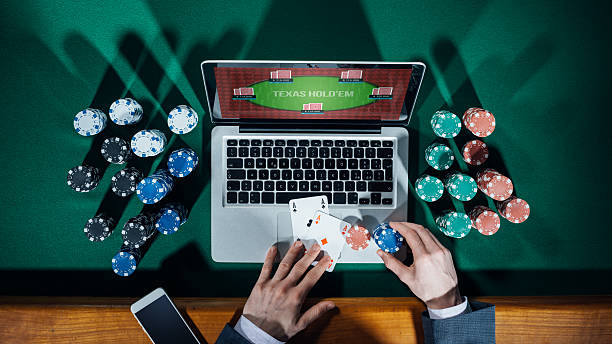
In addition to identifying patterns, players should observe emotional cues that can betray their opponents’ confidence levels. Tics such as excessive sweating, hesitation in betting, or inconsistent betting amounts can signal uncertainty or weakness. Skilled players often exploit these signs, using them to inform their bluffing tactics. For example, if an opponent displays signs of tension, a well-timed bluff could force them to fold a stronger hand.
Furthermore, successful bluffing relies heavily on maintaining one’s own composure. If a player appears nervous or uncertain, it can inadvertently signal to opponents that they may not have a strong hand. Thus, while observing others, it is equally important for a player to project a calm and confident demeanor. Striking this balance can significantly enhance a player’s bluffing arsenal, allowing them to leverage their insights effectively.
Enhancing Online Bluffing Skills
In the realm of online poker, mastering the art of bluffing requires a different approach than in live games. Since players cannot physically observe opponents, they must rely on betting patterns, timing, and statistical analysis to gauge when to bluff. A player’s betting behavior online can often be more revealing than their face; hence, skilled observers look for trends in how much an opponent bets in relation to different hands.
Moreover, the anonymity of online poker can sometimes create more opportunities for bluffing. Players are often more willing to take risks when they cannot see their opponents; this can result in a wide range of bluffing strategies. Developing an acute awareness of the various playing styles prevalent in online poker can aid players in determining the right moments to bluff effectively.
Continuous practice is essential for honing bluffing skills in online settings. Utilizing free games or low-stakes tables allows players to experiment with different bluffing techniques without significant financial risk. Over time, players can refine their strategies and learn to evaluate the effectiveness of their bluffs based on different opponents’ reactions, leading to improved performance in higher-stakes games.